Home / Choosing a raw food diet for puppies and kittens
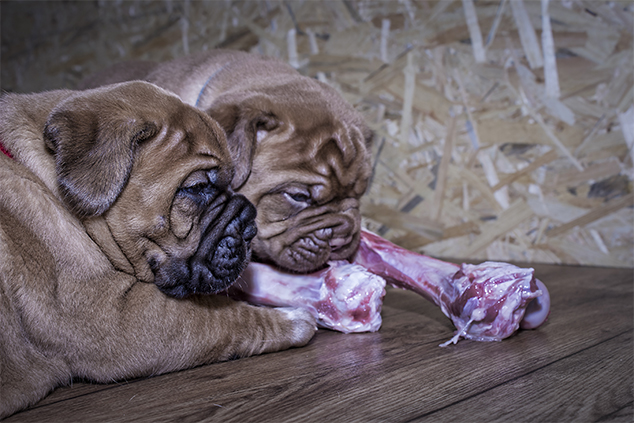
By introducing your puppy or kitten to a biologically appropriate raw food (BARF) diet as soon as possible you will be giving your young pet the best nutritional start. What’s more, they will develop a curiosity for tasty, natural food from the start of their lives.
Dogs will naturally be more receptive to the new diet; for puppies it may only take two or three days to get them fully onto a nutritious, non-processed diet.
Puppies need a balanced, high-protein diet so this is an ideal time to introduce a species-appropriate, ancestral-style diet.
Kittens and cats in general are naturally more cautious and it may take longer to move them fully away from kibble. Don’t leave your kitten’s food bowl out so they can graze, instead make it available for a limited time so they learn to eat at mealtimes.
If your pet has experienced kibble before they arrived in your care, you will have to go through a short transitional stage as they leave behind a diet of processed food. The good news is that young puppies and kittens don’t have an ingrained dependence on kibble compared with older dogs who have eaten it all their lives. This means it should take less than a week to make the transition. Start by introducing a percentage of raw or fresh food into their bowl – around 1/8 to 1/4 – and increase the amount with every meal.
Yes, it’s a great time to move them to a more natural way of eating. We know that some people express concern about whether bacteria is a threat to young animals but this isn’t an issue. Puppies and kittens are exploring the world around them and picking up bacteria every time they step outside. If anything, they are building their immunity all the time and a varied diet will help them develop a robust system.
All young animals have distinct nutritional needs to support their systems as they grow. The products we offer have been formulated to meet those needs, for example, to give puppies the correct calcium to phosphorous ratio diet while kittens, like adult cats, require high-quality protein that delivers essential levels of taurine. Click here to shop for age-appropriate wholesome and expertly crafted food for your pet’s needs.